!Side Menu Logo
!Header Logo
Why Do Dogs Pull on the Leash (and How Do You Stop It?)
Does your pup turn every walk into a full-body workout? At All About Animals Veterinary Hospital, your trusted Carrollton, GA veterinary clinic serving the Villa Rica area, we hear this question all the time. If you have ever wondered why dogs pull on the leash, you are definitely not alone. This common behavior can make walks frustrating, but it is also something you can improve with the right approach.
Understanding why dogs pull on the leash is the first step toward fixing it. Once you know what is driving your canine buddy’s behavior, you can use how to stop leash pulling in dogs techniques and loose leash walking training tips to turn those chaotic walks into calm, enjoyable outings.
Why Dogs Pull on the Leash in the First Place
Before we can fix the problem, it helps to know what’s causing it. Most of the time, your dog isn’t being stubborn or trying to test your patience. Pulling on the leash is just a natural doggy instinct.
Dogs are built for speed and adventure, and let’s face it, we humans just can’t keep up! When your pup pulls ahead and gets to sniff that interesting bush or greet a new friend, they quickly learn that pulling gets results. Before you know it, it’s become their go-to move.
Another big factor? Energy! If your pup has been saving up their zoomies all day, that leash goes on and—zoom—they’re off! All those new smells, sights, and sounds are just too tempting, especially for the younger crowd.
What Is Your Dog Trying to Tell You?
Leash pulling is often your dog’s way of communicating. It may not be ideal behavior, but it does provide insight into how your furry friend is feeling.
Some pups pull because they’re just so excited to explore every inch of the neighborhood. Others might be a little nervous and want to hurry things along. And some simply haven’t learned the fine art of walking politely on a leash yet.
Paying attention to when your dog pulls can give you some helpful clues. Do they turn into a sled dog when they spot another pup? Or do they pull the hardest right at the start of the walk? These little details can help you tailor your training plan.
How to Stop Leash Pulling in Dogs
If you’re wondering how to stop your dog from pulling, here’s the good news: with a little patience and consistency, you can make a big difference. Training takes time, but even small changes can lead to big wins.
Start by showing your pup that sticking by your side is way more fun than charging ahead. This little shift in thinking is the secret sauce to better walks.
Use Positive Reinforcement
Whenever your dog walks nicely beside you, let them know they’re a superstar! Treats, praise, or a favorite toy all work wonders. The goal is to make hanging out with you the best part of the walk.
Consistency is key here. Every time your pup gets it right, let them know! This helps reinforce the good behavior you want to see.
Stop Moving When They Pull
One of the simplest tricks in the book? Stop walking when your dog pulls. If your pup figures out that pulling means the fun comes to a halt, they’ll start to realize it doesn’t get them where they want to go.
Wait until the leash loosens up, then off you go again. It might feel like you’re moving at a snail’s pace at first, but stick with it—this method really works!
Change Direction Frequently
Another handy trick is to change direction when your dog starts pulling. Just calmly turn and head the other way—your pup will soon learn to keep an eye on you instead of charging ahead.
This helps teach your canine pal that you’re the one to watch, not the squirrels! Plus, it keeps your dog engaged and makes walks more interesting for both of you.
Loose Leash Walking Training Tips That Work
Loose leash walking is all about teaching your dog to stroll along without turning the leash into a tug-of-war rope. It makes walks much more enjoyable for both of you.
Start your training sessions somewhere quiet, like your backyard or a calm street. Once your pup has the basics down, you can slowly add in more distractions.
Keep training sessions short and sweet. Dogs learn best when they’re having fun and not overwhelmed. Lots of quick, positive sessions usually work better than marathon training days.
Using a consistent command, such as “let’s go” or “with me,” can also help your dog understand what you expect. Over time, your pup will begin to associate the command with calm walking behavior.
Common Mistakes That Make Pulling Worse
Sometimes, without realizing it, you may be reinforcing leash pulling behavior. Understanding what to avoid can make a big difference.
Pulling back on the leash can actually encourage your dog to pull harder. This creates a tug-of-war effect that makes the behavior worse.
Allowing your dog to reach their destination while pulling also reinforces the habit. If your dog pulls to get to something exciting and succeeds, they learn that pulling works.
Inconsistent training can also slow progress. If pulling is sometimes allowed and sometimes corrected, your dog may become confused about what is expected.
When to Talk to Your Veterinarian
If your dog’s leash behavior seems extreme or sudden, it may be worth discussing with your veterinarian. At All About Animals Veterinary Hospital, serving Carrollton, GA and the Villa Rica area, your vet can help rule out any underlying issues.
Pain or discomfort can sometimes affect how your dog moves and behaves on a leash. Anxiety can also play a role in pulling behavior.
Your veterinary team can help guide you toward the best training approach for your dog’s needs. In some cases, they may recommend working with a professional trainer.
Fun Facts About Dog Walking Behavior
Walking your dog is more than just exercise. It is an important part of their mental and emotional health.
Dogs experience the world largely through their sense of smell. That is why they often want to explore every scent along the way.
Regular walks can help reduce boredom and unwanted behaviors at home. A well-exercised pup is often a calmer, happier companion.
Whole Dog Journal has an interesting piece on leash manners. The AKC has a piece about training Fido to walk on a leash here.
FAQ: Why Dogs Pull on the Leash
Why do dogs pull on the leash?
Dogs pull on the leash because they are excited, curious, or trying to reach something interesting. If pulling helps them move forward, they learn that it works. Over time, this becomes a habit that requires training to correct.
How can I stop my dog from pulling on walks?
To stop leash pulling, use consistent training techniques like stopping when your dog pulls, rewarding calm walking, and changing direction. These methods teach your dog that walking beside you leads to positive outcomes.
What is loose leash walking?
Loose leash walking means your dog walks beside you without pulling or creating tension on the leash. This behavior makes walks more comfortable and enjoyable for both you and your pet.
Can leash pulling be a sign of a problem?
In most cases, leash pulling is normal behavior. However, sudden changes or extreme pulling could be linked to anxiety or discomfort. If you notice unusual behavior, it is a good idea to consult your veterinarian.
Visit Our Carrollton, GA Veterinary Clinic for Guidance
Learning why dogs pull on the leash is the first step toward better walks with your furry friend. At All About Animals Veterinary Hospital, your trusted Carrollton, GA vet clinic serving the Villa Rica area, we are here to help you and your pup build healthier habits.
If you are searching for a “vet near me,” our team is ready to support you with guidance on behavior, wellness, and overall care. Give us a call today to schedule an appointment and make every walk with your canine companion more enjoyable.
This blog is for informational purposes only and is not a substitute for professional veterinary advice. Always consult with your veterinarian for guidance tailored to your pet’s specific needs.
Do you want to read more about All About Animals Veterinary Hospital, your Carrollton, GA animal clinic, also serving the Villa Rica Area, GA, area? Visit our Services page for a complete overview of our pet hospital. We offer many different services, including Wellness and Vaccinations, Nutrition and Weight Management, Laser Therapy, and Critical Care. We can even board your pet!
Could a Small Wound Put Your Animal at Risk for Screwworm?
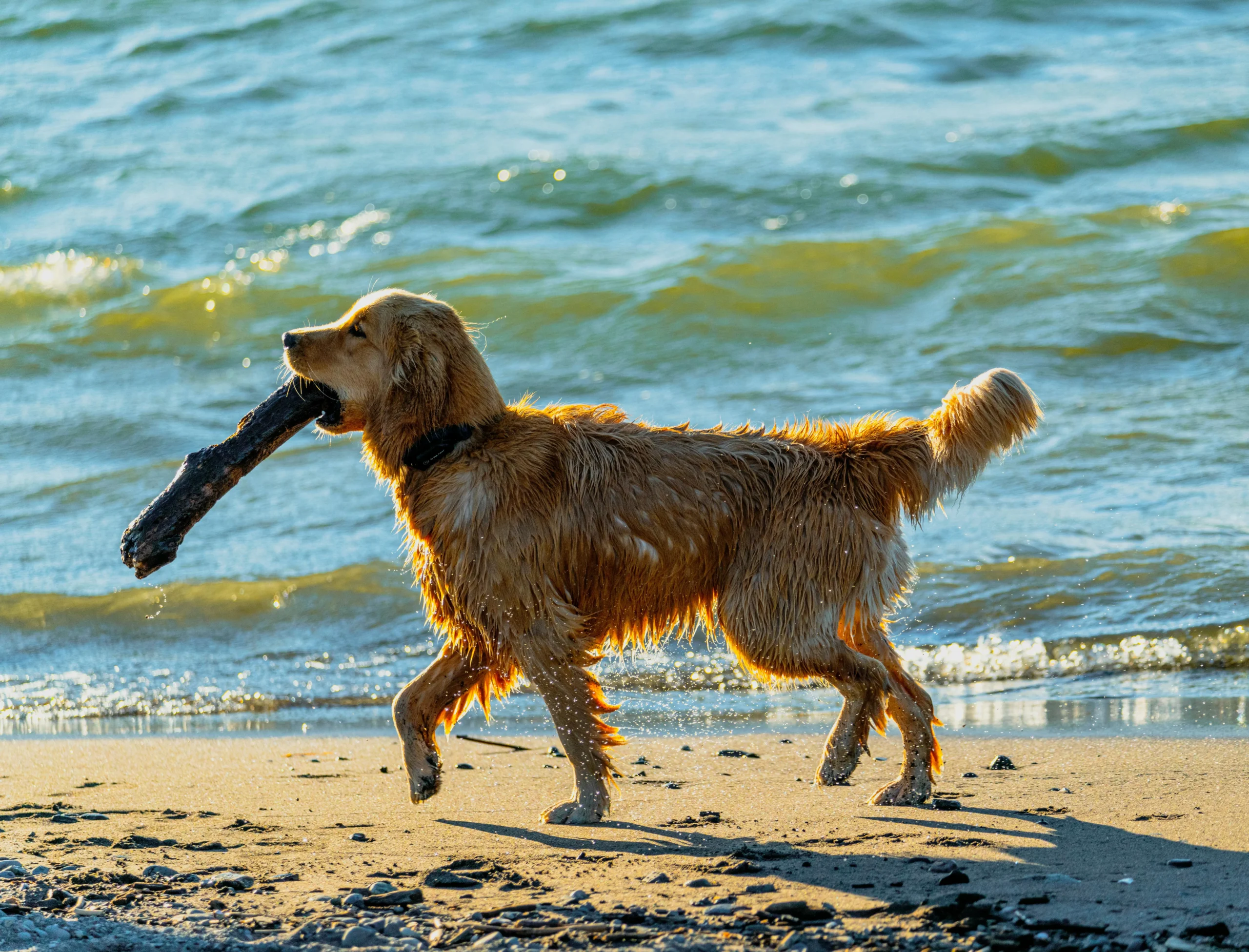
Can All Dogs Swim? Carrollton Water Safety Tips