!Side Menu Logo
!Header Logo
Could a Small Wound Put Your Animal at Risk for Screwworm?
A scraped fence line, a healing surgical site, or even a small skin irritation may not seem like a major concern at first glance. At All Animals Veterinary Hospital, Inc., your Dahlonega, GA veterinary clinic, questions about screwworm wound risks have increased as livestock owners and pet families hear more about the New World screwworm. Whether you care for cattle, horses, dogs, cats, birds, reptiles, or other animals, understanding how wounds can create health risks is an important part of responsible animal care.
The connection between wounds and screwworm infestations is one reason veterinarians continue discussing screwworm wound risks with animal owners. Learning how wounds attract attention from the New World screwworm, understanding proper wound management, recognizing signs of delayed healing, and knowing when to seek veterinary care can help protect both companion animals and livestock. Awareness and prompt action remain among the most effective tools available for animal health.
What Is the New World Screwworm?
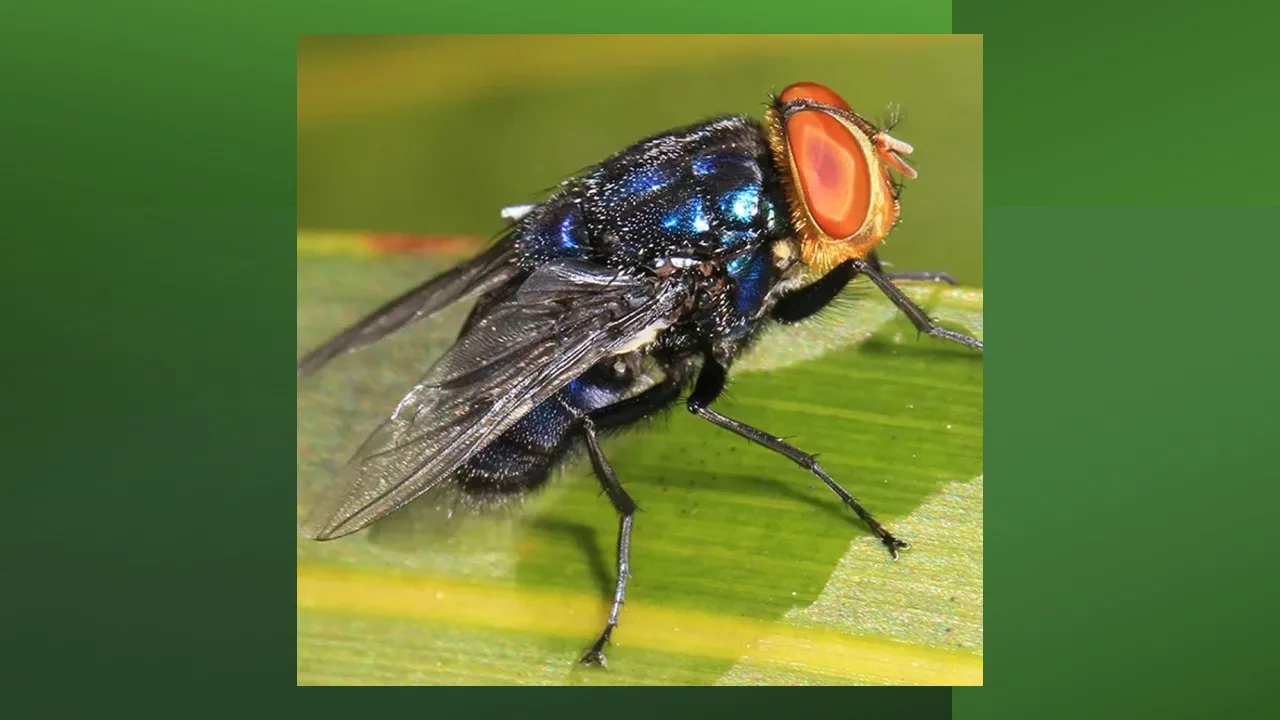
The New World screwworm is the larval stage of the fly Cochliomyia hominivorax.
Unlike many fly larvae that feed on dead tissue, New World screwworm larvae develop within living tissue. Female flies seek out wounds, damaged skin, or vulnerable areas where eggs can be deposited.
After hatching, the larvae develop within the affected tissue.
Historically, the parasite caused significant challenges for livestock producers throughout the southern United States before a successful eradication effort eliminated it from the country. Recent detections in Mexico and confirmed cases in Texas have renewed awareness among veterinarians and animal health officials across North America.
Why Are Small Wounds Getting So Much Attention?
When discussing screwworm wound risks, veterinarians focus primarily on wounds, as they play a critical role in the screwworm life cycle.
Healthy skin acts as a protective barrier.
When that barrier becomes damaged, even temporarily, it creates an opportunity for complications to develop if the area is not monitored appropriately.
This does not mean every wound is dangerous.
It does mean that wounds deserve attention until healing is complete.
Can a Small Wound Really Create a Risk?
Yes.
One of the most important things animal owners should understand is that wound size does not always determine risk.
A small scrape may appear insignificant, but any break in the skin creates an opening that deserves observation.
Examples of Small Wounds
Common examples include:
- Minor cuts
- Scrapes
- Abrasions
- Tick bite reactions
- Small punctures
- Surgical incisions
- Skin irritation
- Hot spots
Most of these injuries heal normally.
The goal is simply to recognize when healing does not progress as expected.
Why Proper Wound Care Matters
Good wound management supports healing and helps identify problems early.
Monitoring Changes
A wound should gradually improve.
Pay attention to:
- Redness
- Swelling
- Drainage
- Changes in appearance
- Delayed healing
These observations provide valuable information about how the wound is progressing.
Supporting Recovery
When wounds receive appropriate attention, animals are generally more comfortable, and complications are easier to identify.
Routine observation is often one of the most valuable things an owner can do.
Which Animals Are Most Vulnerable?
One reason the New World screwworm receives attention in mixed-animal practices is the wide range of species it can affect.
Cattle
Cattle frequently experience situations that may create temporary wounds.
Examples include:
- Ear tagging
- Castration
- Fence injuries
- Tick irritation
- Calving-related wounds
Routine inspections remain an important part of herd management.
Horses
Horses naturally encounter cuts and scrapes through daily activity.
Leg injuries, insect-related irritation, and minor abrasions deserve monitoring during the healing process.
Dogs
Dogs often develop wounds while playing, hiking, hunting, or exploring.
Your canine companion may not always show obvious signs of discomfort immediately, making regular inspections helpful.
Cats
Outdoor cats routinely encounter environments where injuries can occur.
Your feline companion may experience scratches, bite wounds, or skin irritation that deserve attention.
Exotic Pets and Small Animals
At All Animals Veterinary Hospital, Inc., care extends beyond traditional companion animals.
Pocket pets, birds, reptiles, and exotic species can also develop wounds or skin injuries that require monitoring and veterinary care.
While discussions about screwworms often focus on livestock and dogs, healthy wound management applies to all species.
Common Situations That Increase Screwworm Wound Risks
The New World screwworm relies on access to damaged skin.
Several situations may increase opportunities for exposure.
Surgical Recovery
Any surgical procedure creates a healing incision.
Examples include:
- Spays
- Neuters
- Mass removals
- Orthopedic procedures
Following recovery instructions and carefully monitoring healing help support a positive outcome.
Skin Conditions
Skin problems can create areas of irritation or damage.
Conditions may include:
- Allergies
- Hot spots
- Chronic scratching
- Skin infections
Prompt treatment supports healthy skin and reduces the risk of complications.
Insect-Related Irritation
Tick bites and insect reactions occasionally create localized wounds that deserve observation.
Farm and Ranch Activities
Livestock and horses naturally encounter environmental hazards that may lead to minor injuries.
Routine inspections help identify concerns before they become significant.
What Does Normal Healing Look Like?
Understanding normal healing makes it easier to recognize potential problems.
Healthy Healing Progress
Most wounds gradually:
- Become less swollen
- Appear less red
- Produce less drainage
- Become more comfortable
The overall trend should be improvement.
Signs That Deserve Veterinary Attention
A wound should be evaluated if it:
- Appears larger
- Becomes increasingly irritated
- Develops excessive drainage
- Shows delayed healing
- Causes discomfort
Prompt evaluation allows veterinarians to determine the cause and recommend appropriate treatment.
How Can You Check Animals for Wounds?
Routine inspections are among the simplest ways to reduce the risk of screwworm wounds.
For Dogs and Cats
During grooming or cuddle time, inspect:
- Ears
- Paws
- Belly
- Tail area
- Skin folds
- Areas beneath thick fur
For Horses
Pay attention to:
- Legs
- Hooves
- Saddle areas
- Insect bite locations
For Cattle and Farm Animals
Observe:
- Ear tag sites
- Branding areas
- Castration sites
- Calving-related wounds
- Fence injuries
Frequent observation helps identify changes quickly.
Why Early Veterinary Care Is Valuable
One of the best ways to address wound concerns is through early evaluation.
Identifying Problems Sooner
Veterinarians can assess:
- Tissue health
- Healing progress
- Infection risks
- Overall wound condition
This information helps guide treatment recommendations.
Supporting Animal Comfort
Prompt treatment may reduce discomfort and support the healing process.
Early intervention often provides more options than delayed care.
What Is Being Done About the Current Screwworm Situation?
Animal health agencies continue monitoring developments closely.
Organizations involved include:
- USDA APHIS
- State animal health authorities
- Veterinary organizations
- Agricultural agencies
Current efforts focus on:
- Surveillance
- Education
- Reporting
- Rapid response planning
These programs help support animal health nationwide.
You can monitor the government’s response on the USDA’s screwworm.gov page. The CDC has a downloadable PDF about symptoms caused by the New World Screwworm. The University of Minnesota also has a helpful piece on protecting pets from the screwworm.
Frequently Asked Questions
Can a small wound put an animal at risk for screwworm?
Yes. Any break in the skin may create an opportunity for complications. Monitoring wounds closely and seeking veterinary care when needed helps support healing.
Which animals can be affected by screwworms?
Cattle, horses, dogs, cats, sheep, goats, wildlife, and other species may be affected when wounds are present.
Do surgical sites increase the risk of screwworm wounds?
Surgical incisions create temporary openings in the skin and should be monitored carefully throughout the healing process.
What signs suggest a wound needs veterinary attention?
Increasing redness, swelling, drainage, delayed healing, discomfort, or changes in appearance should prompt veterinary evaluation.
Are screwworm infestations common in Georgia?
Widespread infestations are not currently occurring in Georgia. However, veterinarians and animal health officials continue to monitor developments and educate animal owners.
Schedule an Appointment at Our Dahlonega, GA Veterinary Clinic
Understanding the risks of screwworm wounds helps you recognize that even small wounds deserve attention during the healing process. At All Animals Veterinary Hospital, Inc., your Dahlonega, GA animal hospital, veterinary care is available for cattle, horses, dogs, cats, birds, reptiles, pocket pets, exotics, and farm animals. If you have concerns about a wound, skin condition, or your animal’s health, schedule an appointment with a veterinarian today.
Searching online for a trusted vet near me in Dahlonega, GA? Visit All Animals Veterinary Hospital, Inc. to learn more about our comprehensive veterinary services. From wellness care and vaccinations to surgery, diagnostics, exotic pet care, equine medicine, and livestock services, our veterinary clinic is here to support the animals you love.
This blog is intended for informational purposes only. Always consult your veterinarian regarding diagnosis, treatment, wound care, and preventive health recommendations for your animals. Follow your veterinarian’s guidance for livestock, horses, companion animals, exotics, birds, reptiles, and pocket pets.
To learn more about our Dahlonega animal clinic, start by visiting our Services page for a great overview of who we are and what we do. We offer a range of services, including Wellness and Vaccinations, Surgery, and more. Please feel free to contact us anytime!
Could a Small Wound Put Your Animal at Risk for Screwworm?
Can All Dogs Swim? Carrollton Water Safety Tips