!Side Menu Logo

!Header Logo
Does Your Dog Have Separation Anxiety? Signs to Know
Does your pup seem perfectly happy when you are home, but turns into a bundle of stress the moment you leave? At All About Animals Veterinary Hospital, your trusted Carrollton, GA veterinary clinic serving the Villa Rica area, we often help pet owners recognize dog separation anxiety and understand what their canine companion is trying to communicate. While some dogs simply miss their people, others experience real distress when left alone.
Separation anxiety in dogs is more than just a little whining or a sad face at the door. If left unchecked, it can lead to ongoing stress and some not-so-charming behaviors (like redecorating your living room with chewed-up shoes). By learning to spot the signs, understanding what your pup is feeling, and knowing how to help, you can make life a lot less stressful for your four-legged best friend.
What Is Dog Separation Anxiety?
Separation anxiety happens when your dog feels real stress about being away from you. This isn’t just boredom or a naughty habit: it’s an emotional response that can really affect your pup’s happiness and health.
Dogs are social creatures at heart. Your canine companion forms a strong bond with you, and when that bond feels shaky, anxiety can sneak in. Some pups might just seem a little uneasy, while others may go full drama mode.
Knowing what’s really going on can help you swap frustration for patience, and maybe even a little extra compassion for your anxious buddy.
Signs of Separation Anxiety in Dogs
Spotting the signs of separation anxiety is the first step to helping your pup feel better. You’ll often notice these clues as you’re grabbing your keys or heading for the door. Dogs are masters at picking up on our routines!
Some common stress signals include pacing, whining, barking, or trying to follow you from room to room like a little furry detective. Your pup might get extra clingy or start acting anxious the moment you pick up your keys or put on your shoes.
Other signs? Think chewed-up furniture, scratched doors, or even a surprise puddle on the floor—even if your dog is usually a house-training superstar.
If your dog is calm as can be when you’re home but turns into a bundle of nerves when left alone, separation anxiety could be the culprit.
Why Dogs Develop Separation Anxiety
Separation anxiety can pop up for all sorts of reasons. One of the biggest triggers is a sudden change in routine. If your schedule shifts, your dog might have a tough time adjusting. Dogs love their routines almost as much as they love treats.
Moving to a new home or adding a new family member can also create stress. Your furry pal may feel uncertain about their environment and rely more heavily on you for comfort.
Some dogs are just a little more sensitive by nature, while others develop anxiety after a tough experience. Knowing what’s behind your pup’s stress can help you be the best support system possible.
Dog Stress Behaviors at Home
Every dog is different when it comes to stress. Some become quite the vocalists, barking or whining when left alone. Others might channel their inner interior decorator—by chewing or digging.
You might also notice your dog turning up their nose at dinner or pacing around like they’re waiting for a pizza delivery. These are just your pup’s ways of saying they’re not comfortable being alone.
Spotting these patterns means you can tackle the real issue, not just the symptoms.
How to Help Anxious Dogs Alone
Wondering how to help your anxious pup when you’re not home? The secret is to make things feel safe and predictable.
Start by sticking to a routine. Meals, walks, and playtime should happen around the same time each day. This helps your dog feel like they’ve got a handle on their world.
Give your dog a cozy, safe spot to hang out while you’re gone. This could be their favorite bed or a quiet corner where they can chill out.
Leave behind some familiar comforts, like toys or a blanket that smells like you. These little touches can help your dog feel less lonely.
Training for Separation Anxiety
Training for separation anxiety is all about helping your dog get used to being alone, little by little. It takes time, but the results are worth it for both of you.
Start with short practice runs. Leave for just a few minutes, then come back before your dog gets too worried. As your pup gets more comfortable, you can slowly stretch out the time you’re away.
Try not to make a big production out of leaving or coming home. Keeping things low-key helps your dog stay calm, too.
Positive reinforcement is your best friend here. Give your dog a treat or some praise for staying calm when you get back. This helps them feel safe and secure.
Consistency and patience are essential. Progress may be gradual, but each small step helps your dog build confidence.
When to Contact Your Veterinarian
If your dog’s anxiety is really intense or just isn’t getting better, don’t hesitate to reach out to your veterinarian for help.
At All About Animals Veterinary Hospital, serving Carrollton, GA, and the Villa Rica area, your veterinary team can evaluate your dog’s behavior and recommend appropriate strategies.
Sometimes, dogs need a little extra support to manage their anxiety. Your veterinarian can help you find the best plan for your pup.
Fun Facts About Dogs and Attachment
Dogs form strong bonds with their owners and often look to them for comfort and reassurance.
Some pups are just a bit more sensitive to changes in routine, which can show up in their behavior.
Sticking to positive routines and being consistent helps your dog feel more confident and less stressed.
Understanding your dog’s behavior not only helps them feel better, but also brings you closer together.
The ASPCA has a piece on canine separation anxiety on their site. PetMD also has a good piece on separation anxiety in dogs.
FAQ: Dog Separation Anxiety
What are the signs of separation anxiety in dogs?
Common signs include barking, whining, pacing, destructive behavior, and accidents in the house when left alone. These behaviors typically occur when the dog is separated from their owner.
How can I help my dog with separation anxiety?
You can help by creating a consistent routine, providing a safe space, and gradually training your dog to be comfortable alone. Positive reinforcement also supports progress.
Can separation anxiety go away on its own?
Separation anxiety usually requires active management and training. Without support, the behavior may continue or worsen over time.
When should I contact a veterinarian about my dog’s anxiety?
If your dog’s anxiety is severe, persistent, or affecting their quality of life, it is a good idea to consult your veterinarian for guidance.
Visit Our Carrollton, GA Veterinary Clinic for Behavior Support
Understanding dog separation anxiety can help you support your canine companion in a meaningful way. At All About Animals Veterinary Hospital, your trusted Carrollton, GA animal hospital serving the Villa Rica area, we are here to help you navigate behavior challenges and improve your pet’s well-being.
If you are searching for a “vet near me,” our experienced team is ready to provide guidance and personalized care. Call today to schedule an appointment and help your furry friend feel more confident and secure.
This blog is intended for informational purposes only. Always consult with your veterinarian for proper diagnosis, treatment, and care recommendations for your pet.
Do you want to find out more about All About Animals Veterinary Hospital, your Carrollton, GA pet clinic, also serving the Villa Rica Area, GA? Visit our Services page for a complete overview of our pet hospital. We offer many different services, including Wellness and Vaccinations, Nutrition and Weight Management, Laser Therapy, and Critical Care. We can even board your pet!
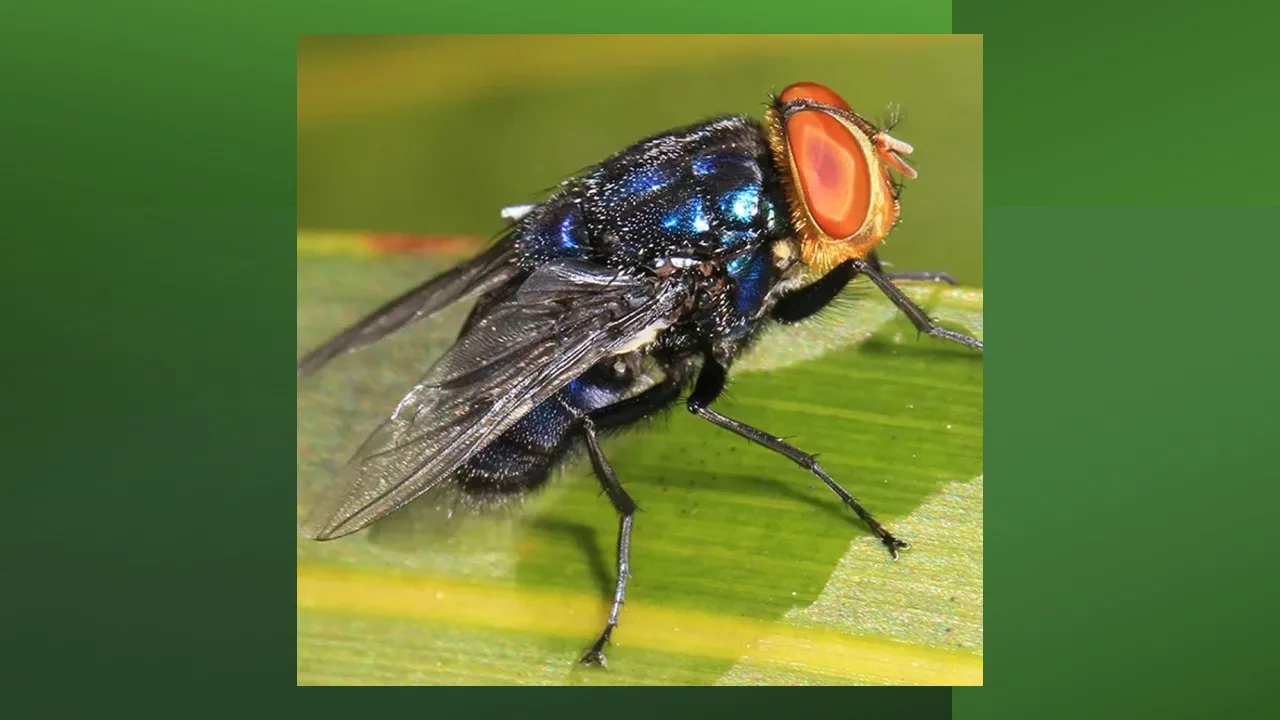
Could a Small Wound Put Your Animal at Risk for Screwworm?
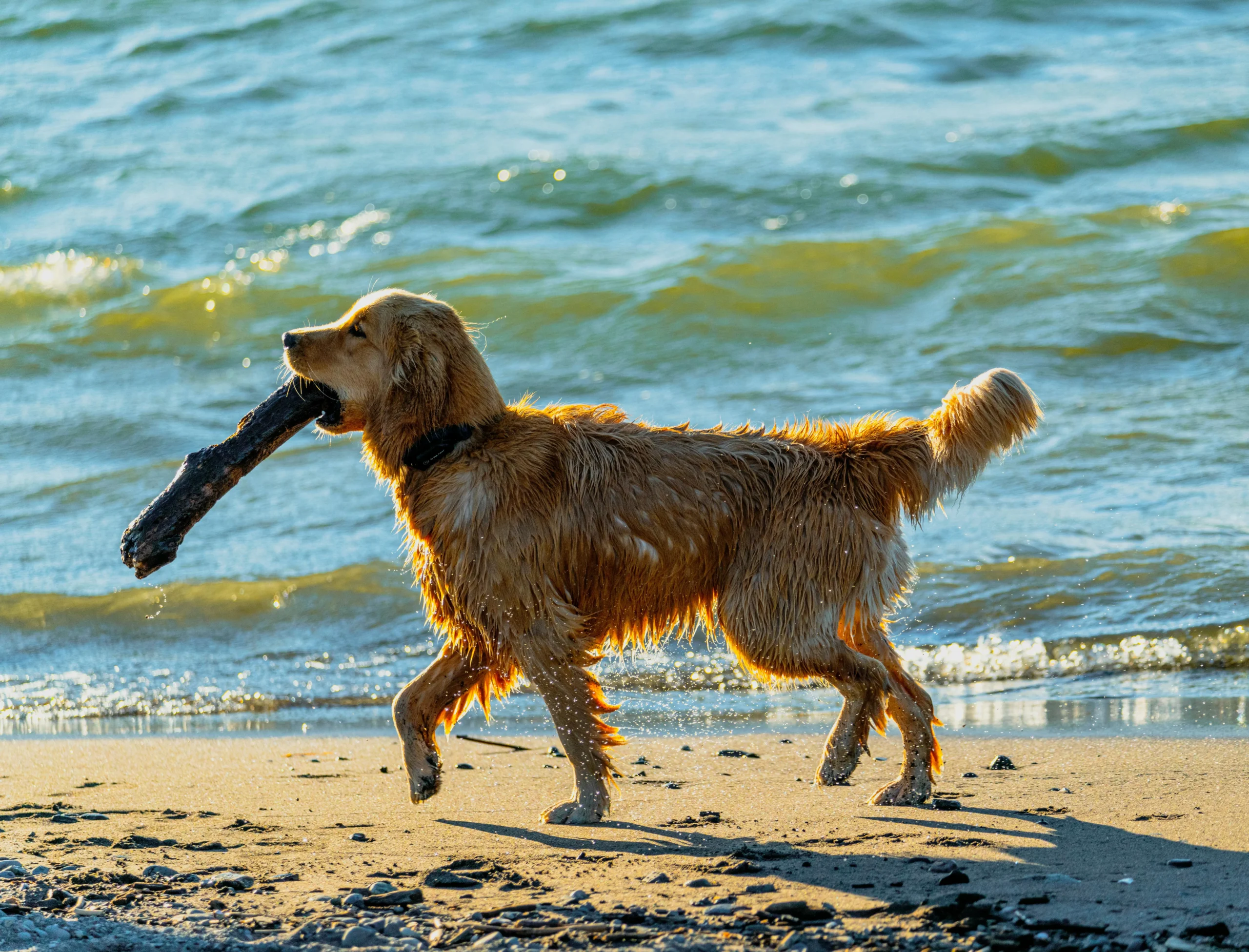
Can All Dogs Swim? Carrollton Water Safety Tips